Last winter, Leni, Mona, Tobi, and Moritz were out with our new Radical ski touring line in Central Asia. In their personal guest contribution, they take us on a journey full of contrasts: between geopolitical tensions before departure, stranded snowmobiles, overwhelming hospitality, and the search for the perfect turns in the Tian Shan mountains.
Kyrgyzstan: Endless expanses, nomads, and untouched peaks
At 4,100 meters, we fell into each other’s arms. It was that one moment when the tension of two weeks suddenly fell away from us. Behind us lay hours of ascents, canceled flights, a triggered avalanche, a crashed drone, and the constant worry of whether this trip was even a good idea. But now we stood up here, in the middle of the Tian Shan mountains, the “Heavenly Mountains,” looking at a land that just a few weeks ago we couldn’t even have located on a world map.
We are Leni, Mona, Tobi, and Moritz. Four freeriders and ski tourers in search of an adventure in its purest form: untouched slopes, foreign cultures, and ski touring in the wild heart of Asia. What we found in Kyrgyzstan was not a stylish ski holiday, but a trip full of contrasts, dangers, and unforgettable moments.

The uncertainty: When geopolitics disrupts plans
Our duffel bags were already stuffed with down jackets, sleeping bags, and ski boots when the Middle East was once again on fire. The news was overwhelming: US attacks on Iran, closed airspaces, canceled flights. Instead of buying granola bars, we called an emergency meeting the night before departure: to fly or not to fly?
After some intense research, we decided to go ahead. The result of our crisis call: in the remote mountains of Kyrgyzstan, we were probably at least as safe as back home in our towns of Kiefersfelden, Kitzbühel, or Munich.
When we finally sat on the plane to Bishkek, the capital of Kyrgyzstan, it quickly became clear how far we were stepping out of our comfort zone: among men in traditional felt hats (kalpaks) and women in headscarves, we were the only tourists on board with our colorful hats. After landing over barren flatlands, a quick “Ski?” from the customs officer was enough, and we were waved through the barrier.
Arrival in another world: Ramadan, Kumys, and the first tracks in the snow
Kyrgyzstan welcomes you not with polished tourism, but with honest, genuine warmth. Our guide Dos greets us in the minivan with Kyrgyz pop from the iPad. He hardly spoke English, but his first question was universally understandable: “Hungry?”
Since it was Ramadan, the locals stayed away from the restaurants during the day. We were served the full range of Kyrgyz cuisine on the outskirts of the city. From the acquired taste of sour-salty kumys (fermented mare’s milk) to meat-filled manti dumplings and fried dough balls (awamat), which we washed down with endlessly refilled sea buckthorn tea from the samovar.
We rattled past the Yssy-Köl Lake, the second largest mountain lake in the world, over bumpy gravel paths, heading into Jyrgalan. There, we got a room with a local family and set off directly from their doorstep on our first ski tour on Kyrgyz soil. Dos stoically set the pace, even though he didn’t drink a drop of water all day on the mountain due to the Ramadan fast. The first 600 meters of elevation rewarded us with untouched powder snow and loud whoops echoing through the quiet valley.
In the evening, Dos took us to the “Buchenwagen,” a colorful container in the middle of the village. While there was silence on the mountain, inside sat a Lower Bavarian travel group, singing “Loyal Mountain Vagabonds” with local Apa beer and schnapps. This is what après-ski looks like, Kyrgyz-style…

?w=628&sm=aspect&scaleFit=poi&poi=%7B%24this.metadata.pointOfInterest.x%3F%24this.metadata.pointOfInterest.x%3A0%7D%2C%7B%24this.metadata.pointOfInterest.y%3F%24this.metadata.pointOfInterest.y%3A0%7D%2C%7B%24this.metadata.pointOfInterest.w%3F%24this.metadata.pointOfInterest.w%3A1%7D%2C%7B%24this.metadata.pointOfInterest.h%3F%24this.metadata.pointOfInterest.h%3A1%7D&fmt=auto&aspect=1%3A1)
?w=628&sm=aspect&scaleFit=poi&poi=%7B%24this.metadata.pointOfInterest.x%3F%24this.metadata.pointOfInterest.x%3A0%7D%2C%7B%24this.metadata.pointOfInterest.y%3F%24this.metadata.pointOfInterest.y%3A0%7D%2C%7B%24this.metadata.pointOfInterest.w%3F%24this.metadata.pointOfInterest.w%3A1%7D%2C%7B%24this.metadata.pointOfInterest.h%3F%24this.metadata.pointOfInterest.h%3A1%7D&fmt=auto&aspect=16%3A9)
In the footsteps of Nomads: The yurt camp between freedom and isolation
A proverb says: “The wings of the Kyrgyz are his horse.” For us, however, the first step was to head deeper into the Terim-Tor Valley by snowmobile, reaching an altitude of 2,900 meters. Two drivers with leathery skin and a burning cigarette in the corner of their mouths were supposed to pull us along on a rope.
It was over after just five kilometers: one engine overheated, the other snowmobile ran out of fuel. After 45 minutes of tinkering in the blazing sun, the six of us finally continued on a single vehicle. But at the sight of the camp, everything was forgotten: three white felt tents in a snowy hollow, surrounded by snow-capped giants. No cell phone reception, no civilization.
The hospitality in the camp was warm, but the mountain immediately challenged us. Already during the ascent, the snow cover noticeably sagged with a threatening rumble – a feeling like sinking in the loop of a roller coaster. Upon reaching the top, the next setback followed: Leni’s drone lost signal in the fog and crashed. An hour-long search in the thickest whiteout was unsuccessful.
Since there are neither avalanche warning services nor situation reports in Kyrgyzstan, Moritz eventually dug a snow profile. During the test (ECT), three light taps on the shovel were enough for the new snow to break away completely on a layer of sleet. Moritz’s dry verdict: “Not exactly chill.” In all the excitement, it was only at second glance that we noticed what Moritz had uncovered while digging: two edelweiss flowers frozen right in the snow. A moving metaphor for the constant juxtaposition of beauty and danger in these mountains.
The evening in the kitchen tent became the low point. The loss of the drone, the snow profile, and the isolation without a signal weighed on the mood. What had been planned as a romantic occasion suddenly felt oppressive.

?w=628&sm=aspect&scaleFit=poi&poi=%7B%24this.metadata.pointOfInterest.x%3F%24this.metadata.pointOfInterest.x%3A0%7D%2C%7B%24this.metadata.pointOfInterest.y%3F%24this.metadata.pointOfInterest.y%3A0%7D%2C%7B%24this.metadata.pointOfInterest.w%3F%24this.metadata.pointOfInterest.w%3A1%7D%2C%7B%24this.metadata.pointOfInterest.h%3F%24this.metadata.pointOfInterest.h%3A1%7D&fmt=auto&aspect=1%3A1)
The reality on the mountain: When dreams turn into avalanches
The next morning, Dos woke us up quickly and concisely: “Complete Whiteout!” We slapped snow on our faces, brushed our teeth in the fresh air, and strictly adhered to the flat terrain during the ascent.
In the afternoon, the fog lifted and before us stretched the glittering valley. But the reconciliation with the landscape was short-lived. We watched an Italian group on the steep slope opposite: the first skier made wide turns, while the second shouted with joy. Only the third one pulled us back into reality: he fell and triggered a massive avalanche. Slowly and silently, the avalanche slid down the slope towards those standing below. Miraculously, no one was injured. But the image of the driver, who stood silently at the edge of the camp in the evening, lost in thought staring at the mountain, burned itself deep into my mind.
We processed the events in the Kyrgyz way: sweating in the yurt sauna, a naked jump into the deep snow, and a sponge bath from buckets.

Change of perspective: Riding donkeys and saying goodbye to the old Jyrgalan
Back in the backcountry of Jyrgalan, we experienced days in absolute ecstasy: cutting down trees in rhythm, long tree runs, and untouched powder snow up to our knees. But as we left the village, a quiet sadness mixed with the joy, as an international company is currently building the first gondola lifts here. The original untouched nature of the place will soon be history. A local cat-ski guide summed up this change perfectly: “I am not afraid that Jyrgalan will change. Everything will change, otherwise we would still live in caves.” An honest thought-provoking point that reminded us that the local people also have a right to progress.
For our next destination, we finally changed our mode of transport: like nomads, we strapped the skis to our backs and rode horses through deep mud and snow up to the snow line. Moritz had the smallest, shaggiest animal in the group, which looked suspiciously like a donkey and caused quite a laugh. Upon reaching the foot of the mountain, the animals galloped back down to the valley on their own, while we stormed the summit on foot and took over the horsepower again during the steep descent through narrow chutes.
The highlight: Summit victory at “41.794672, 77.755115”
At the Arabel Pass, the biggest challenge awaited. It went up to the plateau over 33 hairpin turns. Our new guide Nursultan wanted to cross a glacier without a rope and with a prehistoric avalanche transceiver. We trusted our own experience (Leni as a ski guide, Moritz in training) and resolutely said no.
Instead, we chose to take an ice-free slate ridge right next to us. We scrambled up loose slabs until we finally stood at 4,100 meters. It was Leni’s first 4,000 meter summit. In tears, we fell into each other’s arms. We tackled the steep descent through the untracked gully with controlled stem turns. Falling was strictly off limits here! Since the mountain had no name, we spontaneously named it after its GPS coordinates: Peak 41.794672, 77.755115.

?w=628&sm=aspect&scaleFit=poi&poi=%7B%24this.metadata.pointOfInterest.x%3F%24this.metadata.pointOfInterest.x%3A0%7D%2C%7B%24this.metadata.pointOfInterest.y%3F%24this.metadata.pointOfInterest.y%3A0%7D%2C%7B%24this.metadata.pointOfInterest.w%3F%24this.metadata.pointOfInterest.w%3A1%7D%2C%7B%24this.metadata.pointOfInterest.h%3F%24this.metadata.pointOfInterest.h%3A1%7D&fmt=auto&aspect=1%3A1)
Conclusion: What remains when the snow melts?
We used the last few days to relax. We hiked through the red rock formations of the Skazka Gorge (“Fairy Tale Gorge”), climbed the historic Burana Tower, and bargained with our hands and feet for nuts, spices, and traditional felt hats at the bazaars of Bishkek.
As we rolled back into the capital in the minivan, we felt it again: the buzzing in our jacket pockets. WhatsApp messages, breaking news, missed calls. The world outside kept spinning while time stood still for a few days up there in the Tian Shan mountains.
We pressed the Off button one more time to hold onto the digital silence for a few more hours. Kyrgyzstan brought us together as a team and showed us: the best adventures start where your own plans end.

?w=628&sm=aspect&scaleFit=poi&poi=%7B%24this.metadata.pointOfInterest.x%3F%24this.metadata.pointOfInterest.x%3A0%7D%2C%7B%24this.metadata.pointOfInterest.y%3F%24this.metadata.pointOfInterest.y%3A0%7D%2C%7B%24this.metadata.pointOfInterest.w%3F%24this.metadata.pointOfInterest.w%3A1%7D%2C%7B%24this.metadata.pointOfInterest.h%3F%24this.metadata.pointOfInterest.h%3A1%7D&fmt=auto&aspect=1%3A1)
?w=628&sm=aspect&scaleFit=poi&poi=%7B%24this.metadata.pointOfInterest.x%3F%24this.metadata.pointOfInterest.x%3A0%7D%2C%7B%24this.metadata.pointOfInterest.y%3F%24this.metadata.pointOfInterest.y%3A0%7D%2C%7B%24this.metadata.pointOfInterest.w%3F%24this.metadata.pointOfInterest.w%3A1%7D%2C%7B%24this.metadata.pointOfInterest.h%3F%24this.metadata.pointOfInterest.h%3A1%7D&fmt=auto&aspect=1%3A1)
Info box: Ski tours in Kyrgyzstan (Tian Shan mountains)
- Best time to travel: January to April (high certainty of snow in the backcountry)
- Regions & spots: Jyrgalan, Karakol, Terim-Tor Valley, Arabel Pass
- Safety & requirements: A keen sense of personal responsibility is essential (no avalanche warning service, no alpine mountain rescue). Sufficient expertise in snow profiles (e.g. ECT) and an understanding of avalanche science is required.
- Accommodation & logistics: A mix of local guesthouses (in Jyrgalan) and mobile yurt camps in the backcountry. Ascent and descent by snowmobile or horse.
The equipment on the tour
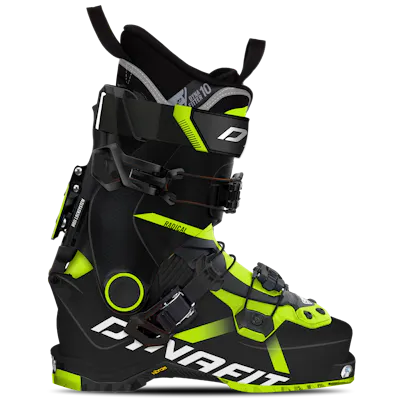
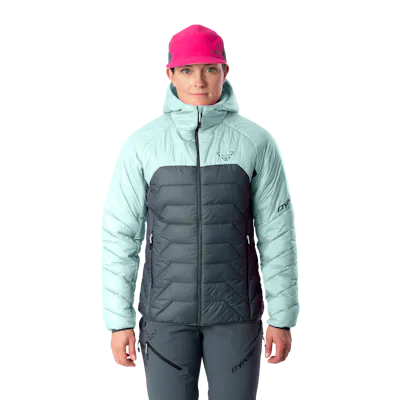
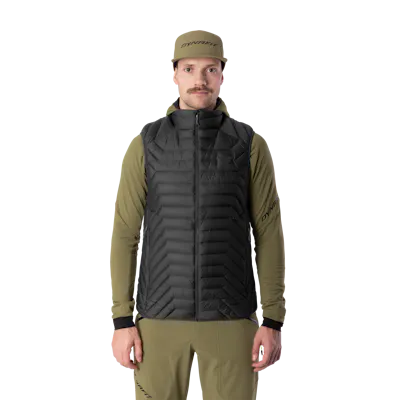
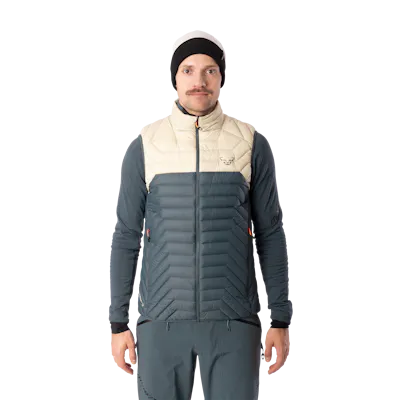
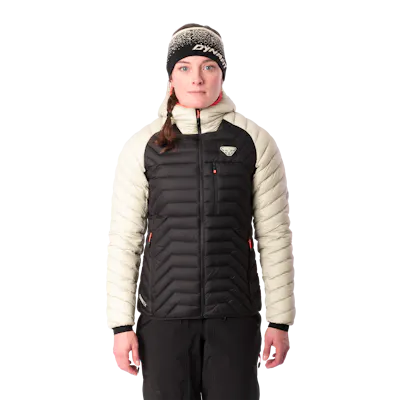
For the challenging trip through the extreme conditions of the Tian Shan mountains, the team put parts of our Radical collection through a tough test. The following highlights accompanied Leni, Mona, Tobi, and Moritz through snow, ice, and whiteouts:
FAQs about ski touring in Kyrgyzstan
Is ski touring in Kyrgyzstan dangerous?
Yes, the guiding and rescue infrastructure are not comparable to the Alps. Since there is no official avalanche warning service and no mountain rescue, having solid knowledge of avalanche science, independent snow profiles, and safety equipment (avalanche transceiver, shovel, probe) is crucial for survival.
How do you get to the ski touring spots in the Tian Shan mountains?
The starting point is the capital, Bishkek. From there, you take a minivan towards Karakol or Jyrgalan. Transport in the backcountry is usually by snowmobile, snowcat (cat-skiing), or on horseback.
Do you need a local guide for a ski tour in Kyrgyzstan?
A local guide is extremely valuable when it comes to orientation, language barriers, and culture. Still, you should always question decisions about avalanche safety on the mountain independently and critically with your own group, and not just blindly rely on the local experts.
About the author
Alena “Leni” Paschke (state-certified ski guide, photographer), Tobias Geiger (photographer and alpinist), Moritz Marko (ski instructor, state-certified ski guide in training), Mona Marko (ski instructor, journalist)